Burnout can be detrimental to our physical and mental health, and have long lasting effects if we don’t take steps to identify it and take a step back.
Physical Signs
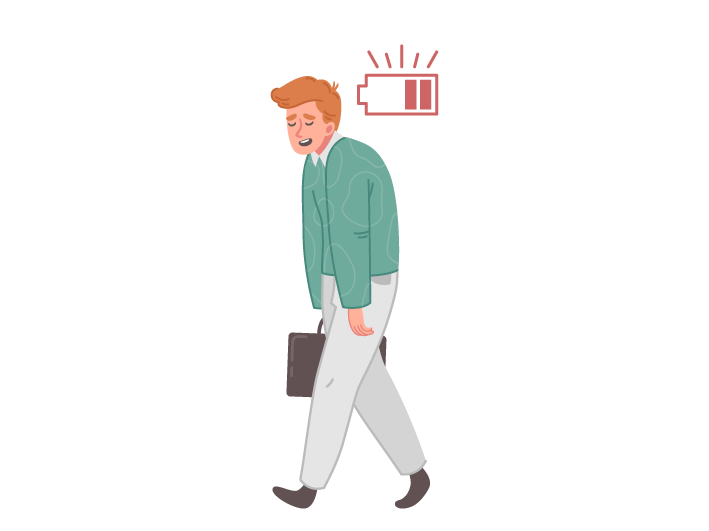
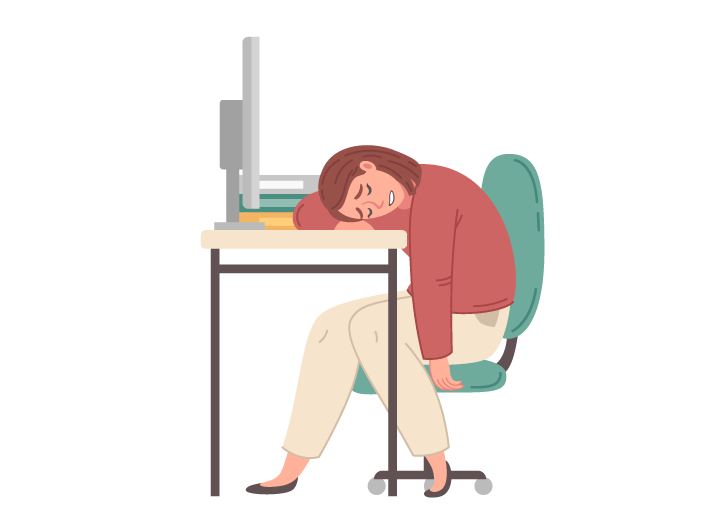
Feeling tired and drained most of the time.
Lowered immunity, frequent illnesses.
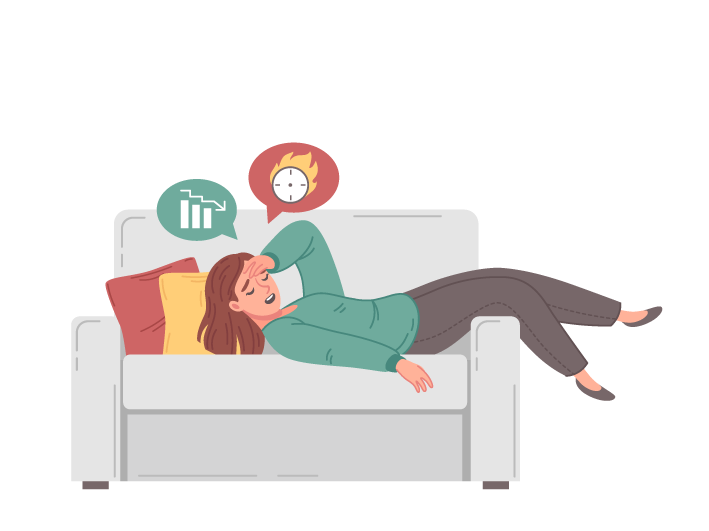
Frequent headaches or muscle pain.
Change in appetite or sleep habits.
Emotional Signs
Sense of failure and self-doubt.
Feeling helpless, trapped, and defeated.
Detachment, feeling alone in the world.
Loss of motivation. Increasingly cynical and negative outlook.
Decreased satisfaction and sense of accomplishment.
Behavorial Signs
Withdrawing from responsibilities.
Procrastinating, taking longer to get things done.
Using food, drugs, or alcohol to cope.
Taking frustrations out on others.
Exhaustion
Feeling physically and emotionally depleted.
Isolation
Tend to feel overwhelmed. As a result, they may stop socializing and confiding in friends, family members, and co-workers.
Frequent illnesses
Burnout, like other long-term stress, can lower your immune system.
Lack of creativity
When you’re burnt out you lose that motivation to think outside the box and look for new ideas.
Mental Signs
Escape fantasies
Dissatisfied with the never-ending demands of their jobs, people with burnout may fantasize about running away or going on a solo-vacation.
Irritability
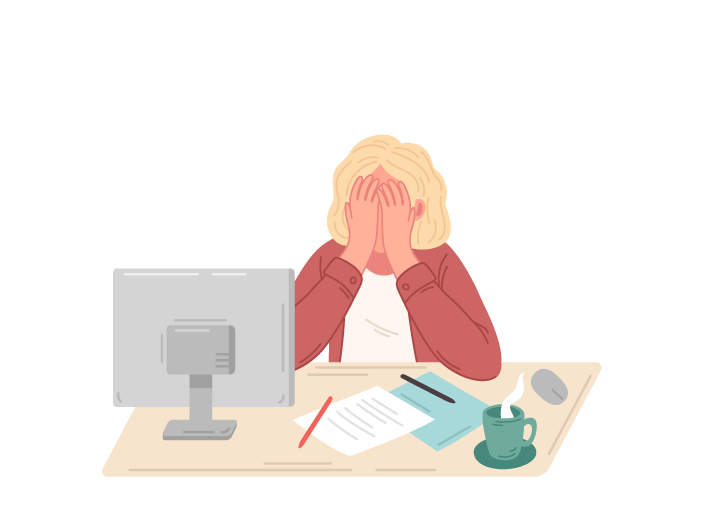
Difficulty coping with everyday stressors, such as work meetings, parenting responsibilities, and household tasks. These routine tasks may feel overwhelming and insurmountable, particularly when unexpected challenges arise.
Changes in self-esteem
Experiencing feelings of burnout can negatively impact one’s self-esteem and caused them to have self-doubt. When you’re really burned out you can’t think as creatively or strategically and you start to doubt yourself and your abilities.