Burnout can become so overwhelming that determining how to address it seems exhausting. Involving a trusted love can help you feel supported and less alone. Friends, family members and partners can help you brainstorm possible solutions, struggling through burnout alone can make overcoming it more difficult.

Reaching a point of burnout can bring up feelings of failure and a loss of purpose or life direction. You might feel as if you can’t do anything properly or you’ll never achieve your goals. Grant yourself the same love and support. Remind yourself you don’t have to be perfect and that it’s OK to need a break.
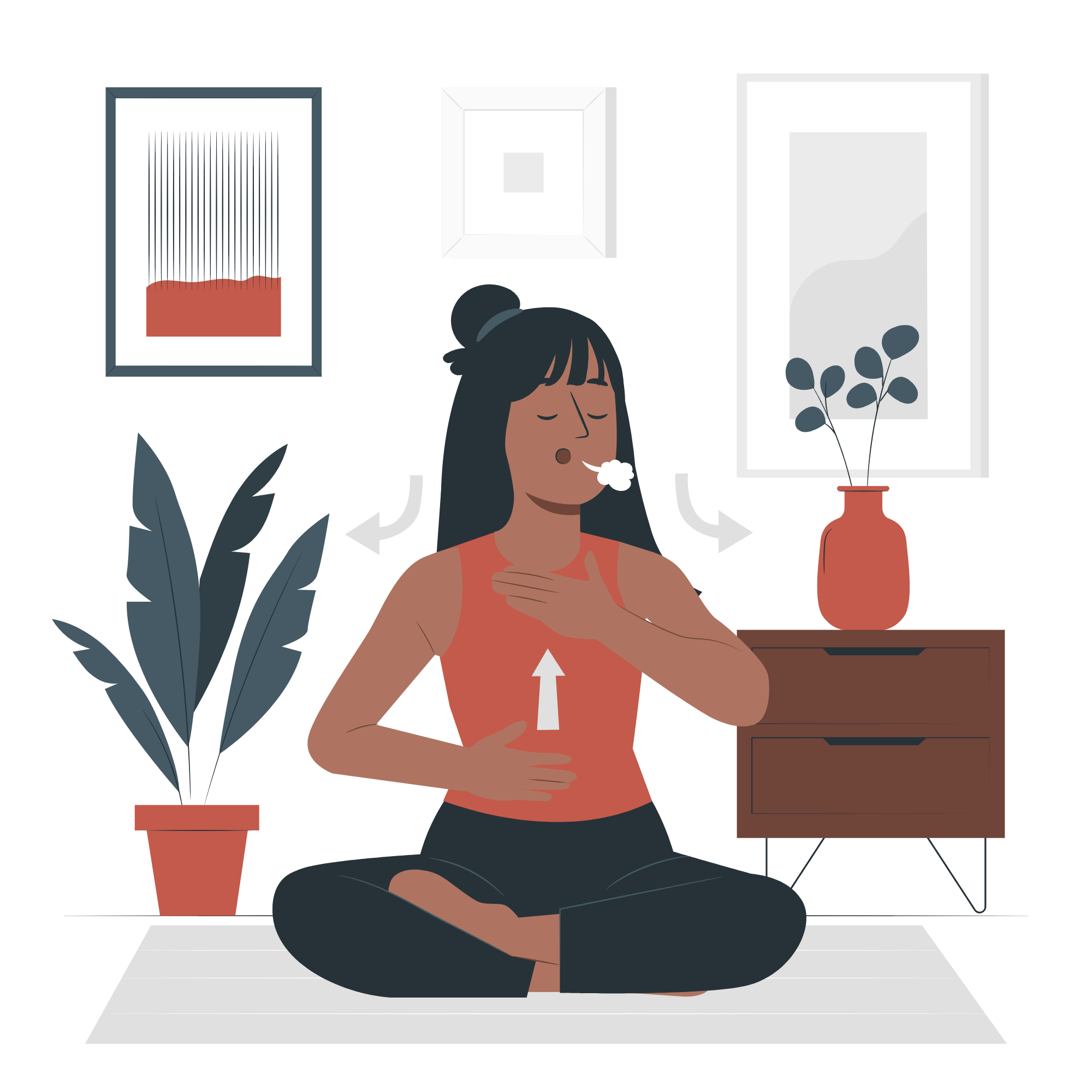
Practicing good self-care can make recharging easier while you try other strategies to reset. For example:
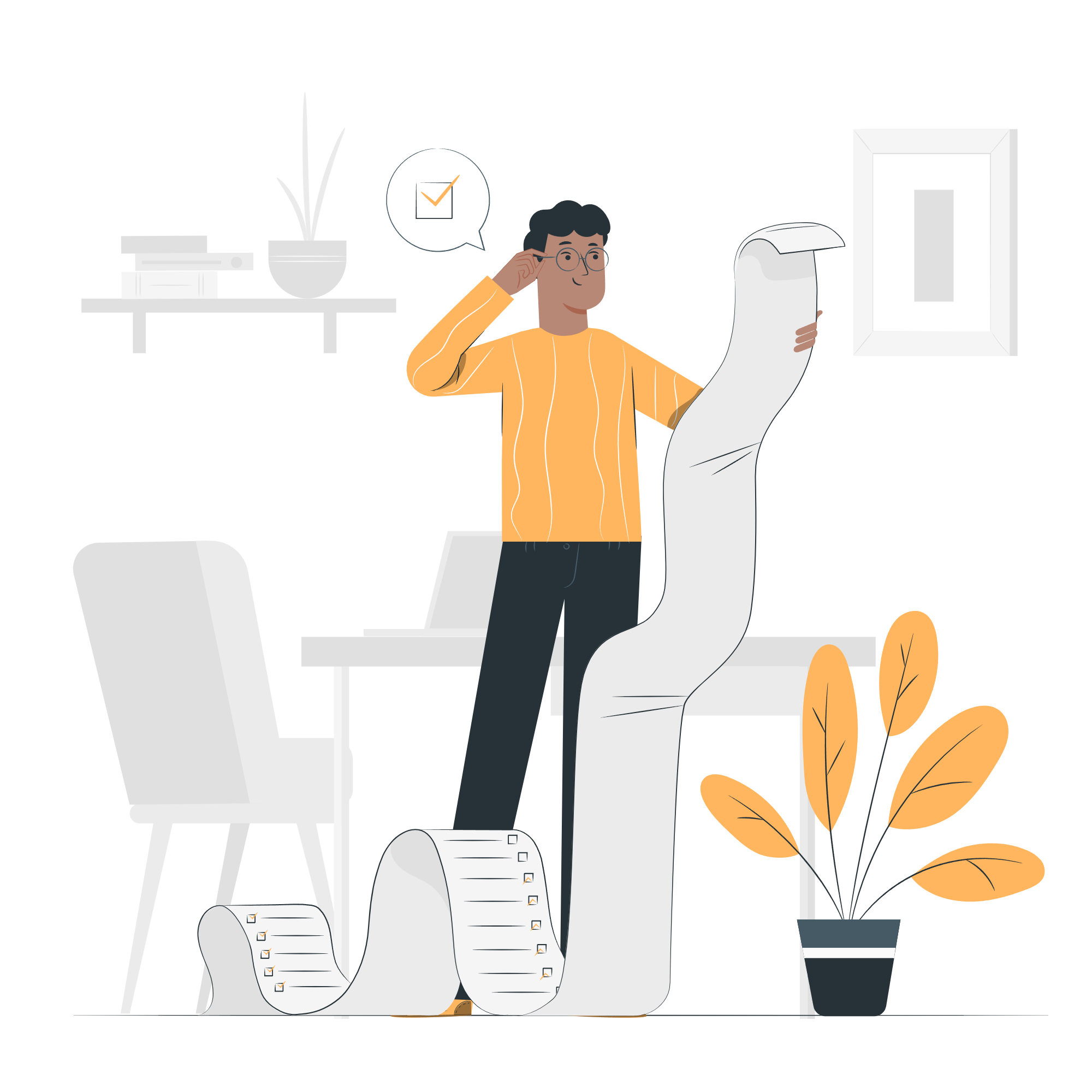
Severe burnout can drain you and make it hard to remember what you used to enjoy. Create a list of the things that bring you joy. It might include things like long walks with your best friend, reading a book in the bathtub and many other things you can do. Make time for these activities every week, and keep this habit up even after you feel more like yourself.
A therapist can offer professional guidance by helping you identify causes, explore possible coping methods, and navigate any life challenges contributing to burnout. Burnout can provoke feelings of helplessness and can also play a part in feelings of depression, so it’s particularly important to talk with a therapist if you feel hopeless, have a persistent low mood and experience thoughts of hurting yourself or others.